
Understanding the psychological factors that drive gambling behavior in casinos
The Allure of Risk and Reward
The relationship between risk and reward is a fundamental driver of gambling behavior in casinos. Gamblers often find themselves drawn to the thrill of potential winnings, which can create an adrenaline rush. This excitement stems from the anticipation of not knowing whether they will win or lose. For many, the possibility of a life-changing jackpot overshadows the risks involved, leading to an almost irresistible temptation to play. You can learn more about this phenomenon at https://pirots-ca.com/, where insights on game mechanics enhance understanding. This psychological push towards high-stakes situations is deeply rooted in human nature, appealing to our innate desire for excitement and adventure.
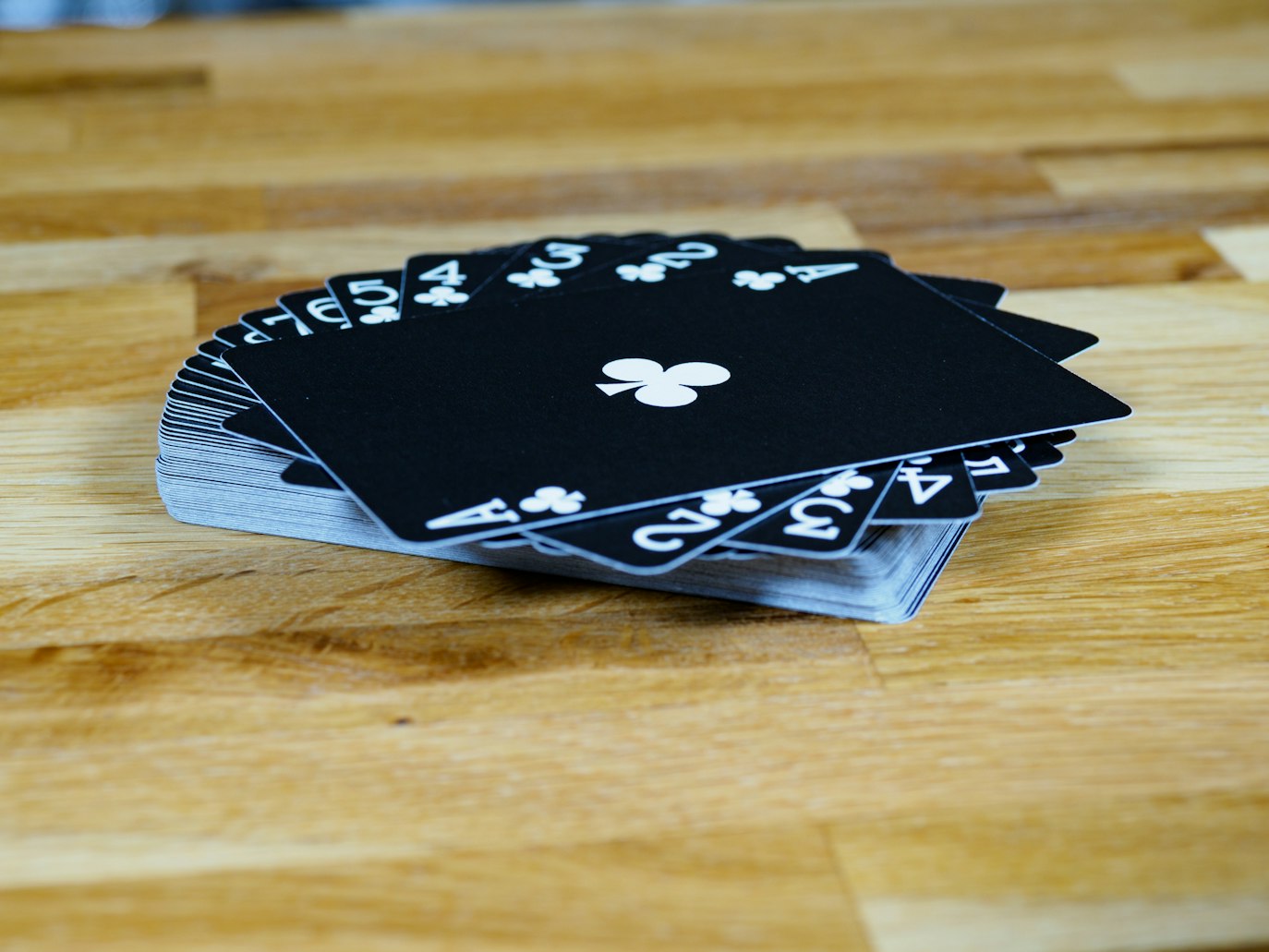
Moreover, the prospect of winning can create a sense of hope that is intoxicating. Many gamblers experience a phenomenon known as the “gambler’s fallacy,” which leads them to believe that they are due for a win after a series of losses. This irrational thinking can perpetuate gambling behavior, as individuals convince themselves that their luck will eventually change. Casinos capitalize on this by designing games and environments that continuously stimulate the brain’s reward systems, making it easy to become engrossed in the experience.
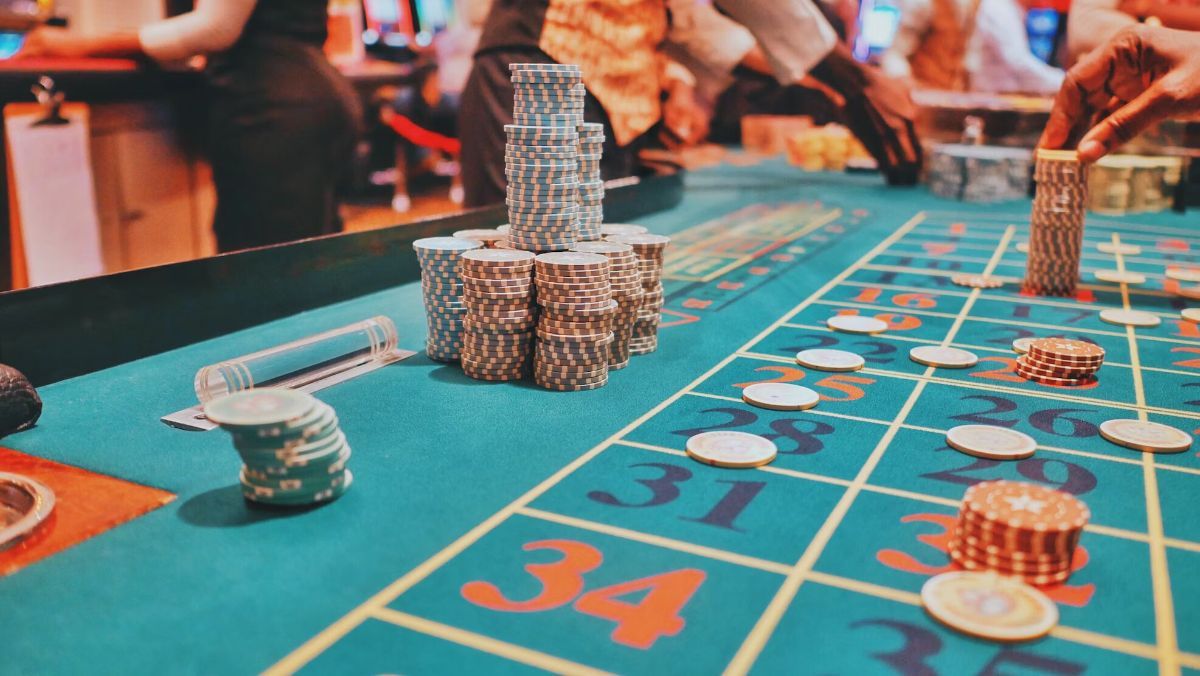
The environment of casinos is meticulously crafted to enhance this allure of risk and reward. From vibrant lights to enticing sounds, these sensory elements create a captivating atmosphere that keeps players engaged. Coupled with the strategic placement of games and the absence of clocks and windows, casinos foster a mindset where time becomes irrelevant, further enticing players to gamble longer. This carefully curated experience amplifies the psychological factors driving gambling behavior, making it a potent catalyst for ongoing participation.
The Role of Social Interaction
Social interaction plays a significant role in shaping gambling behavior. For many individuals, visiting a casino is not merely about the games, but also about the social experience. The excitement of sharing wins and losses with friends or strangers creates a community atmosphere that can enhance the overall experience. This social aspect can lead to increased gambling activity, as individuals are more likely to gamble when they see others winning or having fun around them.
The psychology of group dynamics further amplifies this effect. Observing others celebrating wins can trigger feelings of envy or competitiveness, prompting individuals to join in on the action. This can create a feedback loop where social validation becomes intertwined with gambling habits. In essence, the presence of others can serve as a catalyst, pushing individuals to take risks they may not have pursued alone, thereby contributing to heightened gambling behaviors.
Additionally, socializing in casinos often involves communal games, such as poker or blackjack, where teamwork and collaboration come into play. This form of interaction fosters a sense of belonging and camaraderie, which can reinforce gambling as a preferred leisure activity. In these situations, the stakes can feel less daunting, as the support of fellow gamblers helps mitigate the anxiety associated with risk-taking. This social dimension is crucial to understanding why people continue to engage with gambling environments.
The Impact of Cognitive Biases
Cognitive biases significantly influence gambling behavior, often leading players to make irrational decisions. One common bias is the illusion of control, where gamblers believe they can influence the outcome of games of chance through skill or strategy. This misconception can result in overconfidence, driving individuals to wager more than they should, as they feel they have an edge in the situation. This cognitive distortion can be particularly pronounced in games like poker, where players may think their skill level gives them a significant advantage.
The concept of selective memory also plays a role in gambling. Gamblers often remember their wins far more vividly than their losses, which can skew their perception of reality. This bias not only affects their decision-making but also leads to continued engagement with gambling activities, as they may believe they are on a winning streak when, in fact, they are experiencing a net loss. This selective recall reinforces gambling behaviors, as individuals often fail to recognize the true odds against them.
Furthermore, the concept of normalization of gambling is influenced by cognitive biases. As individuals engage more frequently with gambling activities, they begin to perceive such behavior as typical or acceptable. This normalization can make it easier for individuals to justify their actions and downplay any negative consequences, perpetuating a cycle of gambling. Understanding these cognitive biases is essential for both players and industry stakeholders, as it can inform strategies to promote responsible gambling practices.
The Role of Emotional States
Emotional states significantly affect gambling behavior. Many individuals turn to gambling as a coping mechanism to escape stress, anxiety, or depression. The rush of excitement from gambling can provide temporary relief from negative emotions, reinforcing the behavior as a way to manage feelings of discomfort. This reliance on gambling as an emotional escape can lead to compulsive behavior, as individuals seek out the thrill to alleviate their emotional burdens.
Conversely, positive emotional states can also drive gambling behavior. Celebratory events or moments of happiness often lead individuals to seek out casinos to amplify their joy. This connection between mood and gambling behavior highlights the complex interplay between emotions and decision-making. When in a good mood, individuals may be more inclined to take risks, believing they will maintain their positive trajectory, thereby increasing their likelihood of gambling.
Furthermore, the thrill of gambling can create a cycle where individuals chase the highs of winning while attempting to escape the lows of losing. This emotional rollercoaster can foster a reliance on gambling as a means of achieving excitement, which can quickly spiral into unhealthy gambling habits. Recognizing the influence of emotional states on gambling behavior is crucial for understanding why individuals continue to engage in gambling activities, often in ways that may be detrimental to their overall well-being.
Insights from Pirots-ca.com
At Pirots-ca.com, we delve into the intricacies of gaming behavior, offering insights into various aspects of gambling, including its psychological underpinnings. Our dedicated team provides comprehensive reviews, statistics, and gameplay analyses, ensuring that both new and seasoned players have access to vital information. By examining the factors that drive gambling behavior in casinos, we aim to empower players to make informed decisions while engaging with gambling environments.
Our platform serves as a valuable resource for understanding not just the mechanics of gambling, but also the psychological factors that influence decision-making. Whether exploring the allure of risk or the impact of social dynamics, we provide readers with a holistic view of the gambling landscape. By promoting awareness and understanding, we hope to contribute to a more responsible and enjoyable gaming experience for all.
Leave a Reply