
A common misconception is that a crypto wallet is mainly a place where coins are stored. In a browser-based DeFi wallet, the more important function is authorization: the wallet helps decide whether a website is allowed to request a signature, approve a token, or submit a transaction from your address. That changes the security question. A careful Rabby extension download is not simply an installation task; it is the first step in building a safer signing process.
For US users interacting with decentralized exchanges, lending markets, bridges, and NFT applications, the browser is both a powerful interface and a major attack surface. A malicious search result, a fake extension listing, or an approval granted without understanding its scope can create more risk than the wallet interface itself. The useful mental model is simple: your wallet does not make a risky protocol safe, but it can help you inspect and control what the protocol is asking you to do.
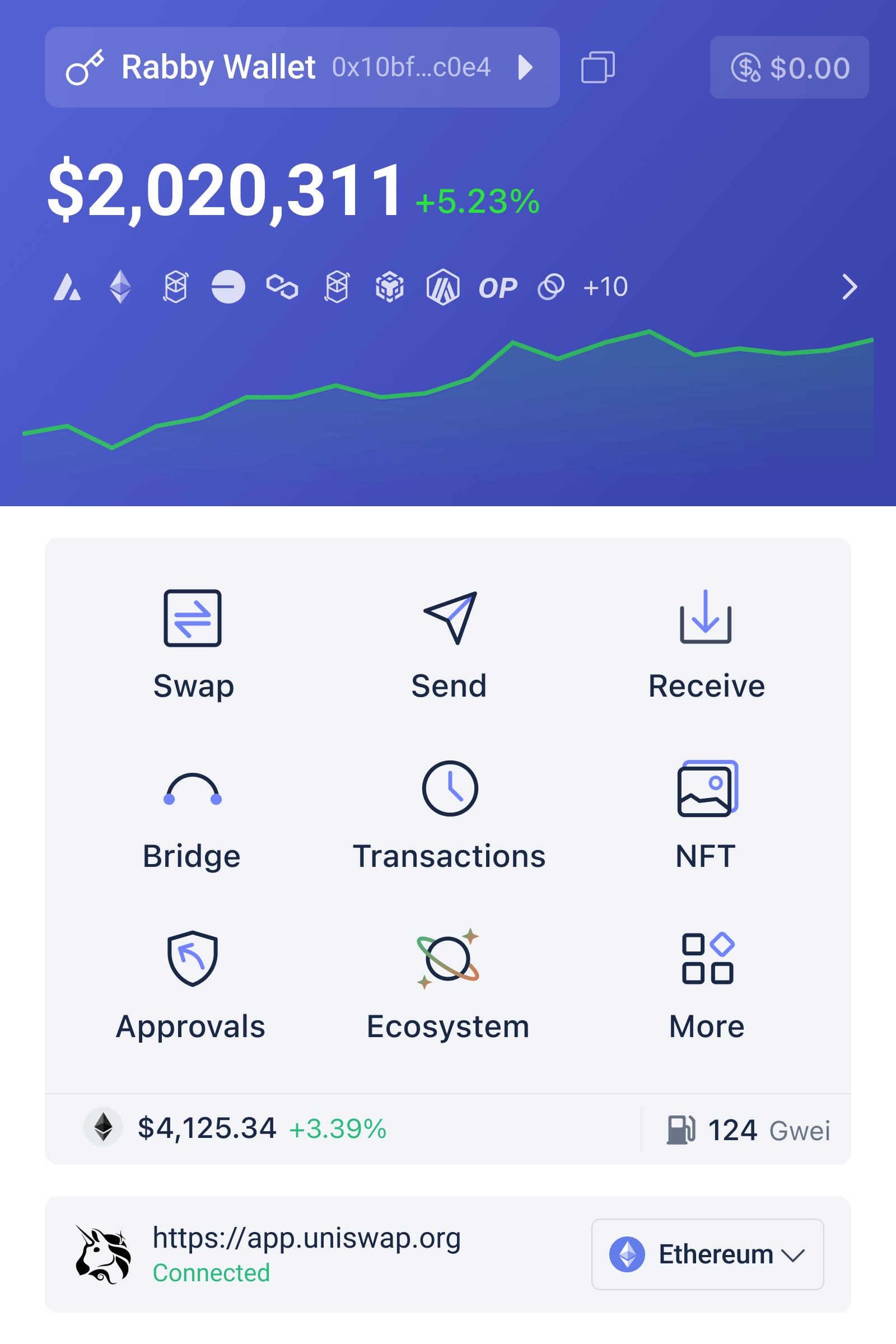
How browser wallets evolved from simple key managers
Early browser wallets were often treated as digital keyrings. They connected a private key to a website and displayed a basic confirmation window. That solved an important usability problem, but it left much of the meaning of a transaction hidden from the user. A signature might look like an unintelligible string, while a token approval could grant a decentralized application permission to spend assets later.
As DeFi became more complex, the wallet’s role expanded. Users needed network selection, gas information, account management, contract warnings, and clearer explanations of what a transaction might change. Modern wallet extensions are therefore best understood as security interfaces between a user and smart contracts. They translate technical requests into decisions that a person can review, although that translation is never perfect.
Rabby is designed for this multi-chain DeFi environment, where the same browser session may involve several networks, token standards, and contract interactions. Readers who are ready to install should use a trusted route to the rabby wallet and confirm that the download is coming from the genuine project distribution channel. The link itself should not replace verification: users should still inspect the extension publisher, permissions, browser domain, and installation source before entering any wallet information.
What a safe Rabby extension download should involve
The first rule is to treat the download process as a phishing-resistance exercise. Search engines and social media can surface lookalike pages that use familiar logos, urgent language, or fake support messages. A fraudulent extension may imitate the appearance of a real wallet while redirecting recovery phrases or private keys to an attacker. For that reason, do not install an extension from an unsolicited advertisement, a direct message, or a page that asks for a seed phrase before the wallet has even been installed.
After opening the official browser-extension listing or project-controlled download path, check the extension name, publisher information, user feedback, and requested permissions. These checks are not absolute proof of authenticity, but they create useful friction. Browser-store listings can change, accounts can be impersonated, and reviews can be manipulated. The safest process is cumulative rather than dependent on one badge or one visual detail.
Once installed, create a new wallet only if you understand the custody model, or import an existing wallet only through its recovery phrase or private key in the genuine wallet interface. A recovery phrase is not a password that support staff should request. Anyone who obtains it can generally recreate control of the associated accounts. Never paste it into a website, form, cloud note, screenshot, or chat conversation. If a site claims that a “synchronization” or “verification” step requires the phrase, stop.
A hardware wallet can add another layer by keeping key operations on a separate device, but it does not eliminate the need to read transactions. The hardware device confirms control of the key; it does not guarantee that the smart contract is honest or that the user understood the request. A wallet extension and a hardware wallet address different parts of the risk equation: one improves interaction and review, while the other can reduce exposure of signing keys.
The mechanism of DeFi wallet risk
There are at least three separate events that users often collapse into the word “transaction.” A wallet may connect to a website, the user may sign a message, or the user may approve and submit an on-chain transaction. Connecting can reveal an address and network activity without moving funds. A signature may authorize an off-chain message or a more consequential operation, depending on its format. An on-chain transaction can change balances, permissions, or smart-contract state permanently.
Token approvals deserve special attention. When a user approves a decentralized application to spend a token, the approval may remain active after the immediate swap or deposit is complete. If the contract later becomes compromised, or if the user interacted with a malicious contract, that standing permission can become a liability. This is why wallet security is not only about protecting a seed phrase. It is also about managing authorization over time.
Transaction simulation and human-readable warnings can help users detect suspicious outcomes before signing. They may reveal that an expected token transfer is missing, that an unfamiliar contract is involved, or that an action could affect a large balance. But these tools have boundaries. Simulation depends on the state of the network and the quality of the interpretation. A contract can behave differently under changing conditions, and a legitimate-looking result does not prove that a protocol is solvent, governed well, or safe over the long term.
That limitation is important: wallet security tools are usually strongest at identifying what a request appears to do, not at judging whether the economic premise behind the request is sound. A warning system might help distinguish a token swap from an unexpected approval, but it cannot independently establish that a yield strategy is sustainable or that a bridge will remain operational. Users still need protocol-level research and sensible position sizing.
A reusable installation and signing framework
Instead of asking whether a wallet is “safe,” evaluate each interaction through four questions: identity, intent, authority, and reversibility. Identity asks whether the website, extension, contract, and network are the ones you intended to use. Intent asks what the action is supposed to accomplish. Authority asks what permissions you are granting and for how long. Reversibility asks what can be recovered if the decision is wrong.
This framework improves the installation process as well as everyday DeFi use. Before downloading, verify identity. Before connecting, define intent. Before signing an approval, inspect authority. Before sending funds or interacting with an unfamiliar contract, assume that reversibility may be limited or nonexistent. That last assumption is particularly useful because many blockchain transactions cannot be canceled once confirmed.
For a first installation, use a low-value test account if practical. Learn how the extension displays networks, accounts, gas estimates, approvals, and signature requests before moving meaningful funds. Keep a separate account for experimentation and avoid treating a heavily used hot wallet as a permanent vault. This is not a guarantee against loss, but it can reduce the consequences of a bad click or a compromised application.
Operational habits matter as much as interface features. Keep the browser and operating system updated, use a strong device passcode, review installed extensions periodically, and be cautious with screen-sharing or remote-support software. A wallet can be technically well designed and still be undermined by malware, a stolen recovery phrase, a malicious browser extension, or a user who confirms a request under time pressure.
Trade-offs and the limits of convenience
Browser extensions make DeFi accessible because they place signing close to the applications people use. That convenience also concentrates risk. A browser session contains many moving parts: tabs, extensions, cached data, network connections, and deceptive content. The easier it becomes to sign, the easier it may become to sign without reflection.
There is also a trade-off between transparency and cognitive overload. Showing contract addresses, calldata, gas settings, and permission details can improve informed consent, but most users cannot interpret every technical field. A polished warning may therefore create false confidence if readers assume that a green indicator means the entire protocol is safe. The right response is not to ignore warnings or to trust them blindly. Treat them as evidence in a broader decision process.
Recent project-specific news is not available for the current eligible week, so there is no new Rabby development to use as a basis for claims about current releases or performance. That uncertainty is itself a reason to verify the extension through the project’s current official channels rather than relying on old tutorials. Wallet interfaces, supported networks, browser policies, and security practices can change even when a general guide remains online.
What to watch as wallet security develops
The likely direction of wallet design is toward more contextual authorization: clearer explanations of contract actions, better detection of unusual permissions, and stronger separation between everyday accounts and high-value storage. If these tools become more accurate without becoming too intrusive, they could reduce routine signing mistakes. The condition matters, however. Better warnings help only when users understand the warning and have time to act on it.
Another important development is the movement from single-key thinking toward layered custody. A DeFi user may combine a browser wallet for small, active positions, a hardware wallet for larger balances, and dedicated accounts for experimental protocols. This approach recognizes that no one device or extension can solve every threat. Security becomes a system of boundaries, not a brand choice.
The practical takeaway is straightforward. Download the extension only from a verified source, protect the recovery phrase offline, separate accounts by risk, inspect approvals and signatures, and remember that a wallet warning is an aid rather than an insurance policy. The strongest security improvement is often a pause at the exact moment when a transaction asks for more authority than the user expected.
Frequently asked questions
Is downloading a Rabby browser extension enough to secure my DeFi funds?
No. An extension can improve transaction visibility and interaction management, but it cannot protect funds if the recovery phrase is exposed, the device is compromised, or the user approves a malicious contract. Security depends on the entire operating process, including source verification, account separation, and careful signing.
Should I import my existing wallet into a browser extension?
Only if you understand the risks and are using the genuine wallet interface. Importing a recovery phrase into a hot browser wallet increases exposure compared with keeping the phrase offline. For larger balances, consider using a separate account or a hardware wallet and test the setup with a small amount first.
Why should I review token approvals after completing a DeFi transaction?
An approval can remain active after the original swap, deposit, or other action is finished. Reviewing and, where appropriate, revoking unnecessary permissions reduces the number of contracts that retain spending authority. Revocation may involve a network fee, so weigh the cost against the value and risk of the permission.
What is the safest response to an unexpected wallet warning?
Do not sign immediately. Confirm the website domain, network, recipient, contract, requested permission, and expected outcome. If the request still does not make sense, reject it and investigate through trusted project channels. Urgency is not evidence that a transaction is legitimate.
Leave a Reply