
Understanding the psychology behind risk-taking in casinos
The Allure of Risk-Taking
Risk-taking is a fundamental aspect of human behavior, often driven by the thrill of uncertainty and potential rewards. In the context of casinos, this allure becomes magnified as individuals are drawn to the excitement of games, where fortunes can change in an instant. The adrenaline rush associated with wagering money, whether on a game of chance or skill, taps into a primal instinct that many find irresistible. For those looking to explore this thrill, the Cashman Casino App offers a fantastic platform to experience gaming excitement at cashmancasinoapp.com your fingertips.
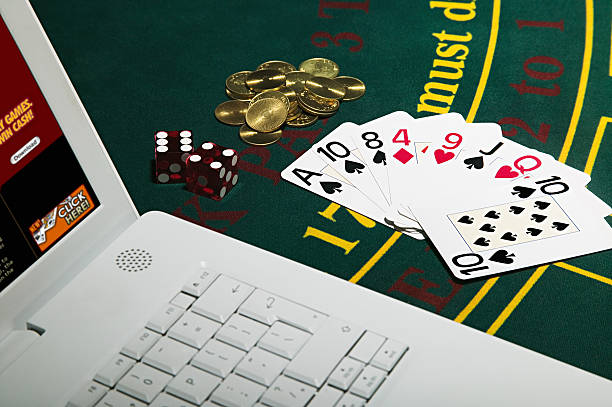
This psychological phenomenon can be attributed to several factors, including the release of dopamine, a neurotransmitter associated with pleasure and reward. When players win or even anticipate a win, their brains release dopamine, creating a sense of euphoria that reinforces the desire to take more risks. This cycle keeps players returning to the casino, hoping to replicate their previous successes.
The Role of Cognitive Biases
Human cognition is riddled with biases that can influence decision-making, particularly in high-stakes environments like casinos. One prevalent bias is the illusion of control, where players believe they can influence the outcome of games of chance, such as slot machines or roulette. This false sense of mastery encourages them to take risks that they otherwise might avoid.
Another significant cognitive bias is the gambler’s fallacy, which is the mistaken belief that past events influence future outcomes in random games. For example, if a player observes a particular number not coming up on the roulette wheel, they might feel compelled to bet on that number, convinced it is “due” for a win. These biases can cloud judgment and encourage persistent risk-taking, leading players deeper into the casino experience.
Social Influences and Peer Pressure
The social environment of a casino plays a crucial role in encouraging risk-taking behavior. When individuals are surrounded by others who are gambling and experiencing wins, they are often compelled to join in. The communal atmosphere heightens excitement and fosters a sense of belonging, which can lead to increased willingness to gamble larger amounts.
Moreover, peer pressure can significantly influence an individual’s gambling behavior. Observing friends or strangers winning can create a bandwagon effect, where individuals feel the need to participate to not miss out on potential rewards. This social dynamic can lead to impulsive decisions and increased risk-taking, as players seek to match the energy and excitement of those around them.
The Impact of Environment on Risk-Taking
The design and ambiance of casinos are meticulously crafted to enhance the risk-taking experience. Bright lights, engaging sounds, and the thrill of winning create an environment that stimulates excitement and encourages players to continue gambling. This sensory overload can diminish self-control and lead to more impulsive betting behavior.
Furthermore, the absence of clocks and windows in many casinos plays a strategic role in keeping players engaged for longer periods. By creating a sense of timelessness, gamblers may lose track of time and money spent, further escalating their risk-taking tendencies. This designed atmosphere ultimately serves to maximize profits while drawing players into a cycle of risk-taking behavior.

Explore the Excitement of Casinos
For those interested in experiencing the thrill of risk-taking in casinos without the need to travel, various online platforms offer an engaging gaming experience. These websites provide a wide selection of games that replicate the casino atmosphere from the comfort of home. With advancements in technology, players can enjoy high-quality graphics and sound effects that enhance their gaming experience.
Whether you prefer traditional table games or modern slot machines, online casinos cater to a diverse audience. As players seek to understand the psychology behind their choices, these platforms offer an accessible way to engage with risk-taking behaviors in a controlled environment, allowing for both entertainment and insight into their motivations.
Leave a Reply