

The UK Values Chicken Road Game stands as a compelling model for examining the intersection of individual and collective ethics. Through its transparent gameplay, players face moral dilemmas that reveal intrinsic societal values. Choices often force a conflict between personal gain and community welfare. As participants traverse this complex terrain, they encounter pressure to comply, raising questions about the true nature of decision-making. What understanding might develop from such experiences, and how do they reflect our real-world interactions?
The Concept of the UK Values Chicken Road Game
Though the UK Values Chicken Road Game may seem simple at first glance, it serves as a sophisticated exploration of societal norms and collective decision-making. Participants engage in a metaphorical ‘chicken’ scenario, where they weigh individual desires against community values. This setup prompts participants to address moral dilemmas and the implications of their choices. The game’s structure mirrors real-world tensions, such as balancing self-interest with communal well-being, ultimately revealing the underlying psychology of group interactions. By navigating through conflicts among competing values, players gain comprehension into how societal pressures shape decision-making processes. Consequently, the game surpasses mere entertainment, functioning as an vital tool for pondering on ethics, compromise, and the often tenuous nature of collective agreement. https://ischickenroadlegitimate.com/
Gameplay Mechanics and Strategic Choices
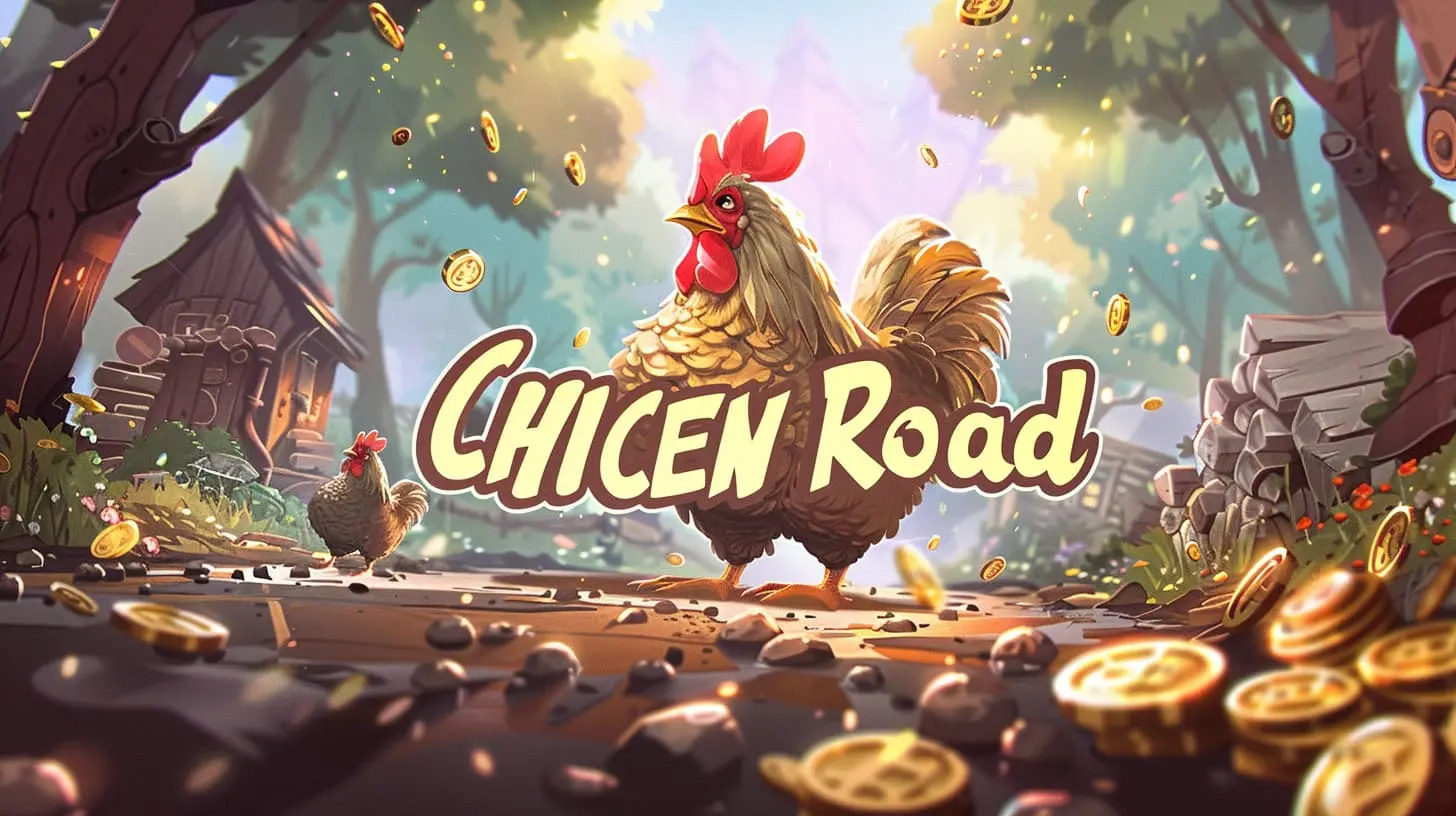
In the UK Values Chicken Road Game, players steer through a intricate interplay of controls that directly impact their strategic choices. Each decision relies on a careful assessment of risk versus reward, where players must weigh the potential payoff against the consequences of failure. This fluid situation creates a compelling tension, prompting participants to immerse themselves with the game’s mechanics while considering the larger implications of their actions.
Game Controls Overview
Understanding the game controls in “Chicken Road” greatly improves a player’s experience and strategic execution. Mastery of these controls not only improves gameplay but also allows players to make more informed decisions within the game’s evolving environment.
- Directional Movement
- Speed Boost
- Obstacle Interaction
- Item Usage
- Map Awareness
Strategic Decision-Making
While navigating through the bustling chaos of “Chicken Road,” players meet myriad calculated choices that greatly impact their success. Each decision—whether to speed up, slow down, or traverse obstacles—requires not only quick thinking but also foresight. Players must judge their surroundings, foreseeing the actions of both opponents and artificial elements. This analysis hinges on adaptability; what works in one situation may fail in another. Additionally, players must weigh assertive moves that can jeopardize elimination with more careful tactics that preserve their standing in the game. Ultimately, dominating these gameplay mechanics reaches beyond mere reflexes. It necessitates a thorough grasp of timing, opponent behavior, and the ever-changing environment, allowing proficient strategists to come out victorious in “Chicken Road.”
Risk Versus Reward
Building on the strategic choices highlighted earlier, “Chicken Road” meticulously incorporates risk versus reward into its gameplay mechanics. Players constantly maneuver through the unstable balance between potential rewards and the risks of failure, creating a dynamic tension that captures their attention. Smart players consider their choices cautiously, balancing immediate gains against long-term implications.

- Opportunities for high-risk encounters add volatility.
- Players can enhance their resources, but at a cost.
- Each decision affects not only personal progress but others’ gameplay.
- Risks escalate as players move forward, requiring acute judgment.
- Comprehending opponents’ tendencies can expose strategic advantages.
Dominating these mechanics requires logical thinking, ensuring that each risk taken aligns with an overarching strategy, culminating in fulfilling experiences in the game’s constantly changing environment.
Ethics and Moral Dilemmas Encountered
In the Chicken Road game, players encounter significant ethical consequences as they navigate the highly competitive environment. Their choices often depend on moral dilemmas, where winning may come at the expense of harming others. This tension underscores the complex relationship between strategy and ethics, leading to a deeper examination of what values truly influence decision-making in high-stakes situations.
Ethical Implications of Gameplay
As players move through the whimsical yet treacherous terrain of the Chicken Road game, they often face complex ethical dilemmas that question their personal values and decision-making. These scenarios cultivate an environment where choices are not merely tactical but imbued with moral significance.
- The tension between self-interest and collective welfare.
- The effect of choices on virtual characters and their results.
- The contrast between right and wrong in a gamified environment.
- The role of peer pressure in decision-making procedures.
- The implications of failure or success on emotional fortitude.
Through these dilemmas, players enter into a reflective conversation, questioning their morals while steering through the unpredictability of gameplay, thereby blurring the lines between ethical theory and practical experience in an interactive platform.
Morality in Decision-Making
While navigating the Chicken Road game, players frequently encounter complex moral dilemmas that urge them to ponder the outcomes of their decisions. These situations question their ethical frameworks, prompting reflections on utilitarianism versus deontological ethics. For instance, a player might face a decision between forfeiting a virtual companion to save the majority or maintaining loyalty to an ally, creating tension between common benefit and personal ethics. The game demands players not only to consider immediate outcomes but also the long-term ramifications of their choices, cultivating a sophisticated understanding of morality in systematic environments. As a result, the Chicken Road game serves as a representation for real-life ethical decision-making, motivating players to navigate complicated moral terrains where no option is devoid of consequence.
The Role of Risk-Taking in Decision-Making
Risk-taking plays a crucial role in decision-making processes, particularly in contexts where uncertainty dominates. Individuals face critical dilemmas that demand weighing potential benefits against possible pitfalls. Assessing risk factors helps clarify choices and outcomes, molding strategic thinking.
- Opportunity Creation
- Adaptive Learning
- Competitive Advantage
- Resource Allocation
- Resilience Building
In the context of the Chicken Road Game, grasping risk boosts players’ decision-making acuity, improving their experiences and interactions within this engaging structure.
Insights Into Societal Values Through Gameplay
Gameplay often serves as a reflection reflecting societal values, illuminating the beliefs and principles that shape player interactions. In the context of the Chicken Road game, players maneuver through risk and cooperation while grappling with themes like competition and trust. This fluid situation reveals how individuals value personal gain versus collective well-being, echoing broader societal tensions. Moreover, the game creates an environment where moral decisions become evident, revealing players’ ethical structures. Observing their strategies captures a spectrum of human behaviors, from altruism to self-interest. Ultimately, such gameplay transcends mere entertainment; it engages players in a microcosm that scrutinizes their values and decisions, prompting reflection on the implications of their choices in real-world social constructs.
Engaging Different Audiences: Casual Players vs. Strategists
How do casual players and strategists experience the Chicken Road game differently? Casual players often play the game for entertainment, focusing on immediate fun and social interaction. In contrast, strategists analyze calculating risks and understanding opponents, seeking to master the game’s nuances. This difference in engagement shapes their experiences considerably.
- Casual players enjoy impromptu decision-making and unpredictability.
- Strategists evaluate game mechanics and outcomes for long-term success.
- Casual audiences may prefer light-hearted, relaxed gameplay rather than competitive tension.
- Strategists often study psychological tactics to improve their advantage.
- Different playing styles emphasize distinct motivations and satisfaction levels in gameplay.
Reflections on Conflict and Cooperation in a Digital Space
In the dynamic environment of Chicken Road, players often find themselves steering not just the mechanics of the game but also the complex balance of conflict and cooperation. This dynamic interplay reflects broader online interactions, where alliances emerge and dissolve with each decision. Players must manage competitive pressures while weighing the benefits of collaboration, recognizing that cooperative tactics can boost overall success yet may endanger betrayal. Perceptively, skilled players identify patterns in opponents’ behavior, boosting their strategic positioning. Ultimately, this online realm parallels real-world scenarios, emphasizing emotional intelligence and negotiation skills. As players participate in this virtual space, they develop a deeper understanding of conflict resolution and cooperative strategies, bolstering the value of unity amid competition.
Conclusion
In summary, the UK Values Chicken Road Game acts as a fascinating microcosm for exploring societal norms and ethical dilemmas. Through strategic gameplay, it emphasizes the tension between personal ambitions and collective values, urging players to contemplate their decision-making processes. By involving both casual players and strategists, the game cultivates a deeper understanding of cooperation and conflict in a virtual realm, ultimately unveiling the complexities of human interactions and the value of emotional intelligence within community interactions.